MacDougal Street, Greenwich Village · 1978–1985
Down the steps at 99 Records
A few steps below street level, Ed Bahlman ran a shop and then a label that shaped how dance music sounded for the next forty years — and was bankrupted by winning.
Words · KULTUR
The Basement Shop
Track A — The shop
99 Records took its name from its address — a basement shop at 99 MacDougal Street, a few steps down from the pavement, opened by Ed Bahlman in the late 1970s selling imports and reggae to a Greenwich Village crowd that couldn't find them anywhere else. By 1980 he'd turned it into a label, and the label outgrew the shop within a couple of years.
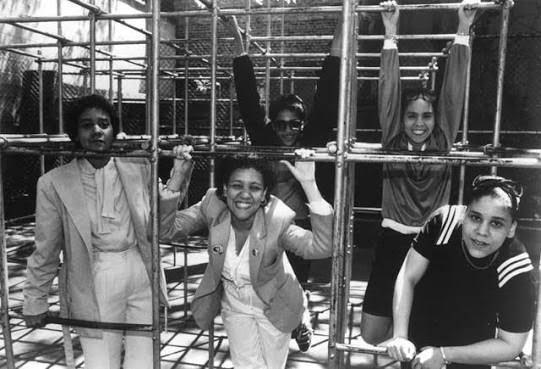
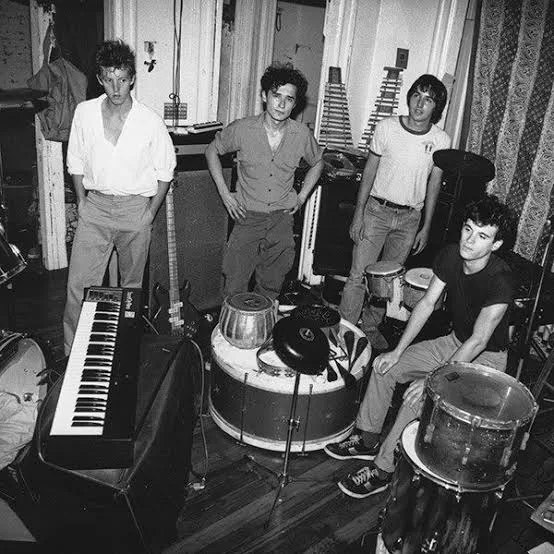
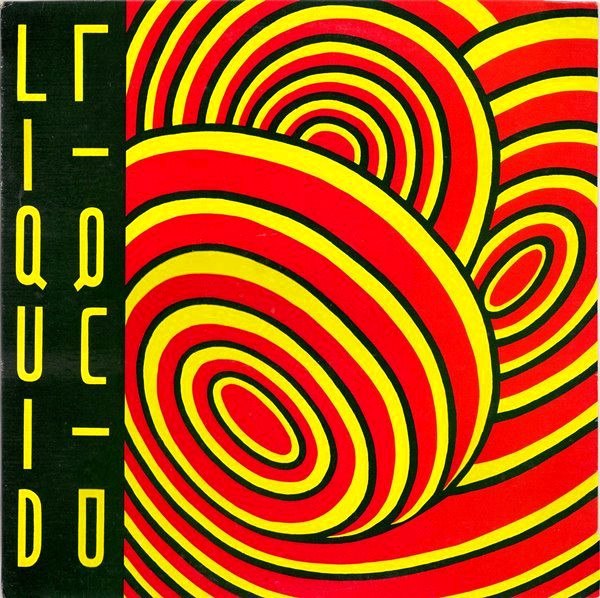
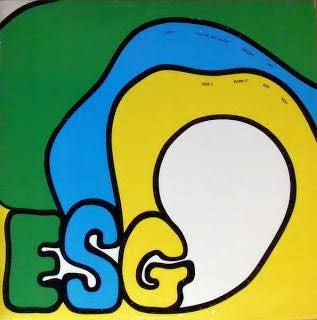
The roster read like a map of downtown New York refusing to pick a genre. ESG — four sisters from the South Bronx, barely out of their teens, playing a stripped, percussive funk built on almost nothing — released their You're No Good EP on 99 in 1981. Liquid Liquid folded dub and no wave into something closer to a rhythm section with the song removed. Bush Tetras, Y Pants, Glenn Branca's guitar orchestras — none of it matched, and all of it came out of the same basement.
Two Basslines
Track B — The lawsuit
Two basslines from that catalogue turned out to be worth more than the label itself. ESG's UFO and Liquid Liquid's Cavern became two of the most sampled pieces of music in hip-hop history — lifted, looped, and built into records that sold in numbers 99 Records never came close to.
In 1983, Sugar Hill Records took the bassline from Cavern almost note for note and pressed it as Grandmaster Flash and Melle Mel's White Lines (Don't Don't Do It), crediting no one. Bahlman sued — and won. Sugar Hill's owner filed for bankruptcy rather than pay out, and the legal costs of winning the case bankrupted 99 Records instead. The label folded in 1985, having been right, and broke, at the same time.